
How do I install a Solar Motion Alarm on a backyard shed?
 Sam VasquezBuying Guide Lead
September 10, 2026 — Installing a Solar Motion Alarm on a backyard shed provides an effective, wireless deterrent against theft by utilizing a 125° PIR sensor and solar-recharged batteries to trigger a high-decibel siren.
Property owners often struggle to protect remote outbuildings where running electrical conduit is cost-prohibitive or physically impossible. Because sheds frequently house high-value assets like power tools and bicycles, establishing a perimeter that functions independently of the home's main power grid is essential for consistent security.
Where should you mount a solar alarm for maximum coverage?
You should mount the solar alarm at a height of 6 to 8 feet on a south-facing exterior wall to ensure the solar panel receives direct sunlight while the PIR sensor maintains a clear line of sight to the entrance. According to technical specifications found on eBay listings, these solar motion detectors typically offer a sensing range of 5 to 8 meters, though this distance can be affected by environmental factors like temperature or physical obstructions. When I’m setting these up, I prioritize placing the unit directly above the door or at a corner that covers both the main entrance and any side windows. If your shed is tucked under a heavy tree canopy, you might need to look at a solar motion alarm with a detached solar panel, but for most standard backyard layouts, the integrated units work fine. If you're on a budget, a single unit placed near the primary point of entry is usually sufficient to start.
How do you integrate a shed alarm into a larger property strategy?
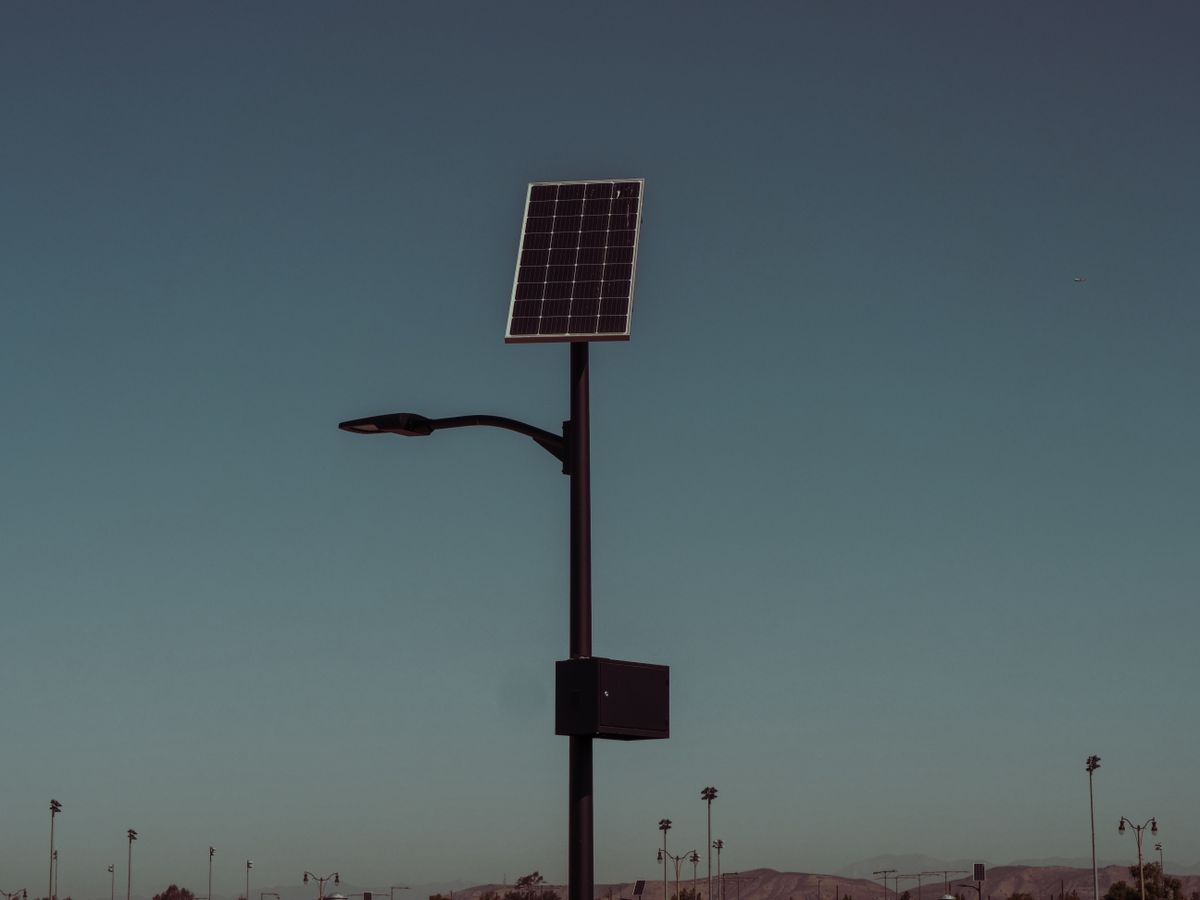
Photo by Kindel Media on Pexels
A shed alarm works best when it serves as the first layer of a broader solar powered perimeter alarm network that alerts you before a shed door is even touched. Ultra Secure US notes that battery-operated PIR alarms are ideal for smaller spaces like workshops and garages because they offer hassle-free installation without complex wiring. Between a standalone local siren and a system that rings a receiver inside your house, I’d go with the dual-alert setup every time. You want the local siren to scare the intruder, but you also need the internal chime to wake you up. If you are building a [DIY solar perimeter security system](/blog/diy-solar-perimeter-security-system), you can link multiple sensors to a single indoor receiver. Skip this if your shed is within 10 feet of your bedroom window, as a 120dB siren will be more than enough to alert you without extra hardware. Here’s what I’d actually buy: a high-decibel Solar Motion Alarm for the shed exterior combined with a secondary contact sensor on the door frame for redundant protection.
Quick answers
Q: How loud are these shed alarms? A: Most solar-powered units, like the ones detailed by The Best Bike Lock, produce a siren between 110 and 130 decibels, which is loud enough to be heard from several hundred feet away.
Q: Will the alarm work during a week of cloudy weather? A: Yes, most units feature a standby battery life of 30 to 60 days on a single full charge, meaning they remain functional even during extended periods of low light.
Q: What is the typical detection angle for a shed sensor? A: Standard solar motion sensors provide a 125-degree horizontal detection arc, allowing a single unit to cover the entire front face of a medium-sized shed.
Learn more about [Solar Motion Alarm at](/blog/how-solar-motion-alarm-works-property-security) https://solarmotionalarm.com.
Sources
- Battery BT Shed & Garage Wireless Alarms - Ultra Secure US
- Shed Alarm: The 3 Most Reliable Security Systems | The Best Bike Lock
- Solar Motion Sensor Alarm Shed Alarm Infrared Outdoor Home ...