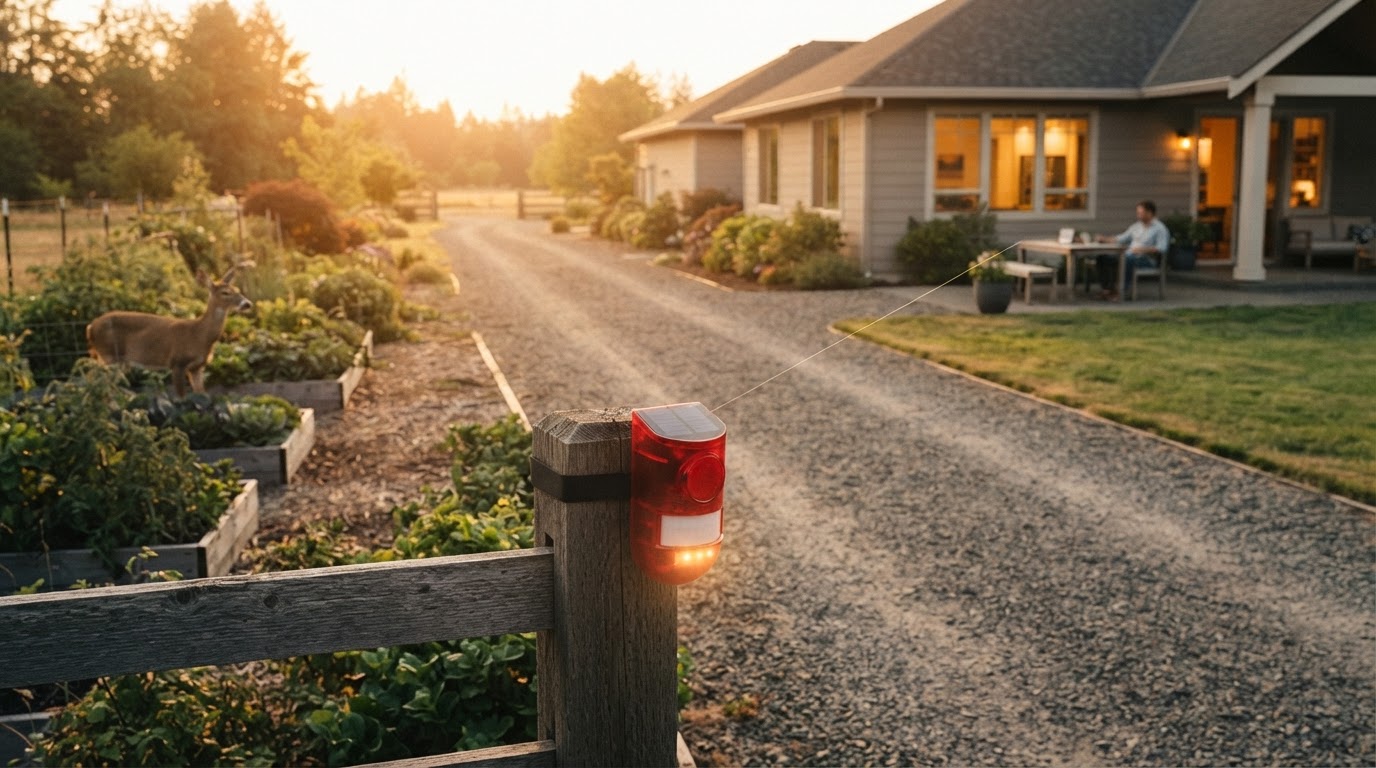
How does a Solar Motion Alarm protect a long driveway?
 Priya RamanSenior Analyst
September 5, 2026 — A Solar Motion Alarm secures a long driveway by utilizing independent infrared sensors that transmit wireless signals to an indoor receiver, provided the line-of-sight remains unobstructed by dense foliage or structures.
Property owners with extended entryways often face a choice between expensive trenching for wired sensors or the maintenance burden of battery-operated units. Understanding the effectiveness of these systems requires looking at them through a matrix of detection range and power autonomy. Once you see it this way, the logistical advantages of a self-sustaining perimeter become clear for rural and suburban estates.
How does sensor placement affect Solar Motion Alarm reliability?
Reliability is primarily determined by the height and angle of the Passive Infrared (PIR) sensor relative to the expected heat signature of a vehicle or pedestrian. Two axes matter here: the horizontal detection arc and the vertical sensitivity threshold. If a sensor is mounted too high, it may miss the lower heat profile of a compact car; if mounted too low, it may be triggered by small animals or ground-level heat reflections.
Solar Motion Alarm units are typically engineered to detect movement within a 30-foot radius, but the signal must then travel back to the base station. Field tests indicate that while the wireless frequency can reach up to half a mile in open air, physical obstructions like heavy oak trees or metal outbuildings can reduce that effective range by 30% to 50%. For those establishing a [wireless solar driveway alarm system](/blog/solar-motion-alarm-field-test-driveway-access), the decision rule is to prioritize a clear line-of-sight over the most hidden aesthetic placement to ensure the signal reaches the receiver every time.
Can a Solar Motion Alarm function in shaded driveways?
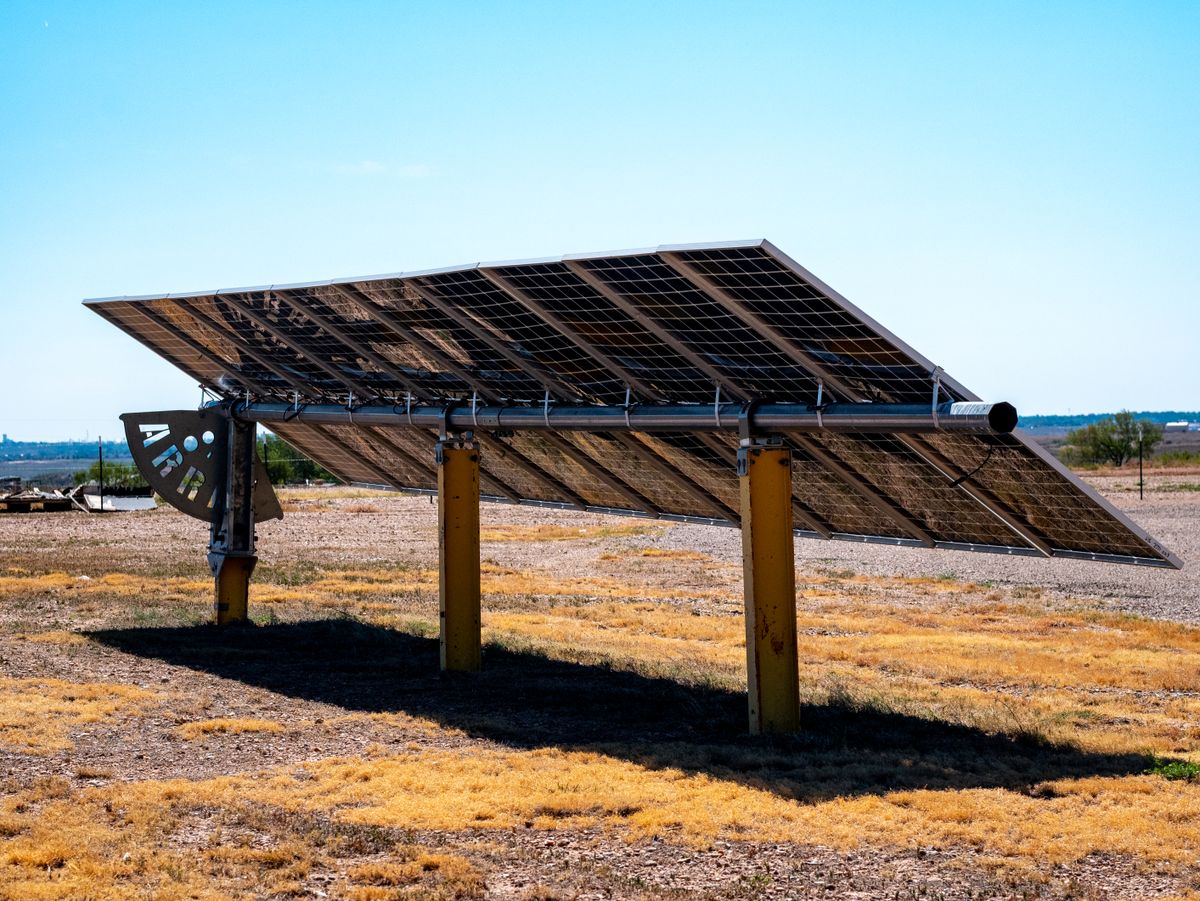
Photo by Joshua Santos on Pexels
A Solar Motion Alarm can function in partially shaded areas as long as the monocrystalline solar panel receives at least 2 to 4 hours of direct or high-intensity ambient light daily to maintain its internal lithium-ion battery. The efficiency of the charging cycle depends on the orientation of the panel toward the southern sky. Think of it as a matrix of energy consumption versus energy harvesting; the sensor consumes very little power in standby mode, allowing it to survive several days of overcast weather.
When implementing [driveway alarm solar powered](/blog/securing-property-solar-motion-alarm-integration) solutions, the placement of the sensor does not always have to be the placement of the solar panel if the model allows for a detached charging cable. However, most integrated Solar Motion Alarm units require the entire housing to be positioned where sunlight can penetrate the canopy. If a driveway is heavily wooded, installers often mount the unit on a post at the entrance where the canopy opens, rather than deep under the tree line. This ensures the internal capacitor remains charged enough to power the wireless transmitter, which is the most energy-intensive component of the device.
Quick answers
Photo by Angelo Capitanio on Pexels
Q: How far can the Solar Motion Alarm sensor be from the house? A: Most Solar Motion Alarm systems support a wireless transmission range of 1,000 to 2,600 feet, though this distance decreases when signals must pass through stone walls or thick thermal glass.
Q: Does rain or snow trigger the Solar Motion Alarm? A: While Solar Motion Alarm units are rated IP65 or higher for weatherproofing, they use PIR technology which responds to heat changes; therefore, falling snow rarely triggers them, but a sudden blast of hot air or steam might.
Q: How many sensors can be added to one Solar Motion Alarm receiver? A: A single Solar Motion Alarm base station typically supports up to 4 or 16 unique zones, allowing a homeowner to monitor the main driveway, a side gate, and a backyard perimeter simultaneously.
Learn more about Solar Motion Alarm at https://solarmotionalarm.com.