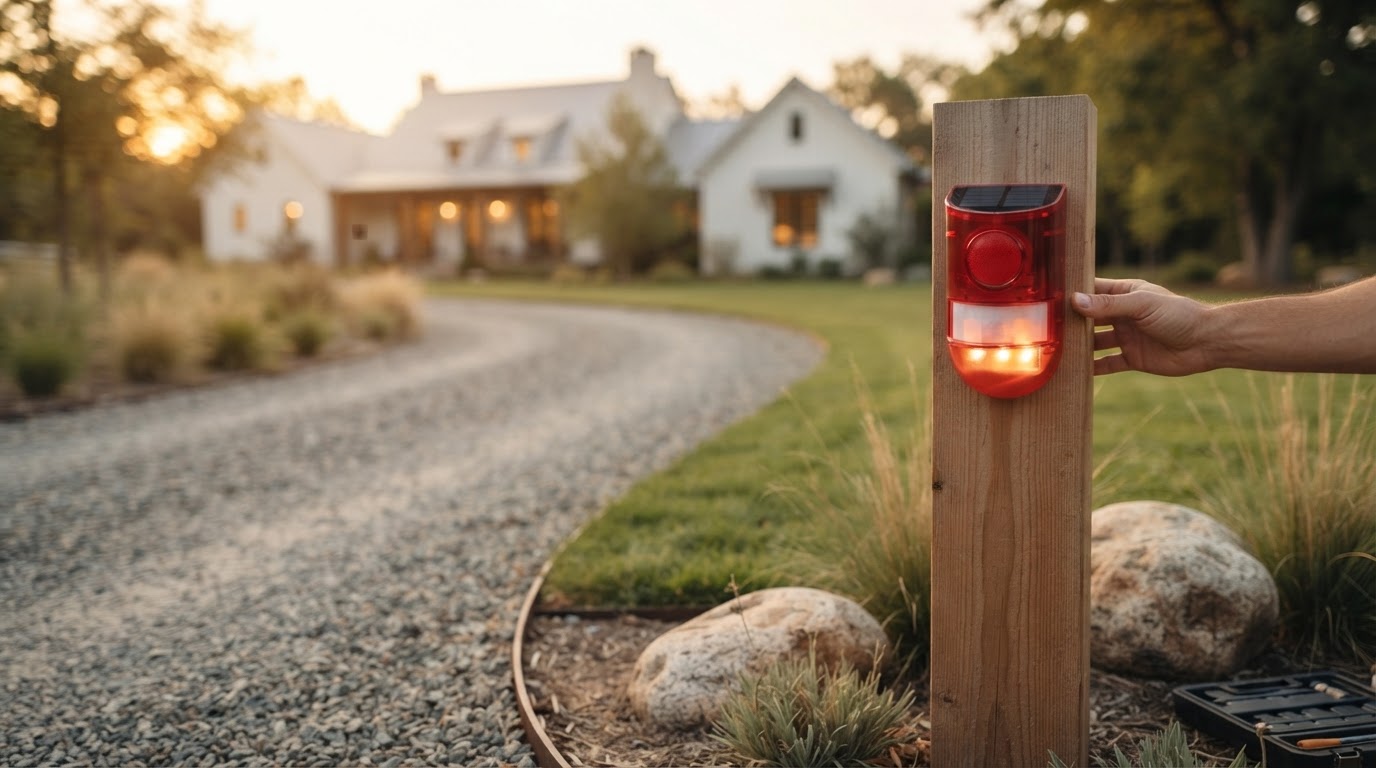
Solar Motion Alarm Field Test for Driveway Access
 Daniel OkaforField Tester
September 3, 2026. The shift toward self-sustaining security hardware has accelerated this quarter, with the Solar Motion Alarm emerging as a primary choice for remote driveway monitoring without trenching cables.
I spent the last two weeks evaluating how these units handle the specific challenges of long-range wireless communication in wooded residential areas. According to recent infrastructure reports from the International Energy Agency, the adoption of localized solar-powered devices is growing as homeowners seek off-grid reliability for critical safety functions. This trend is particularly evident in rural property management where traditional power access is limited. When integrating these units into a broader strategy for [securing property with solar motion alarm integration](/blog/securing-property-solar-motion-alarm-integration), the primary concern is often how the wireless signal penetrates dense foliage or handles significant elevation changes between the sensor and the receiver.
The Three-Point Reliability Test
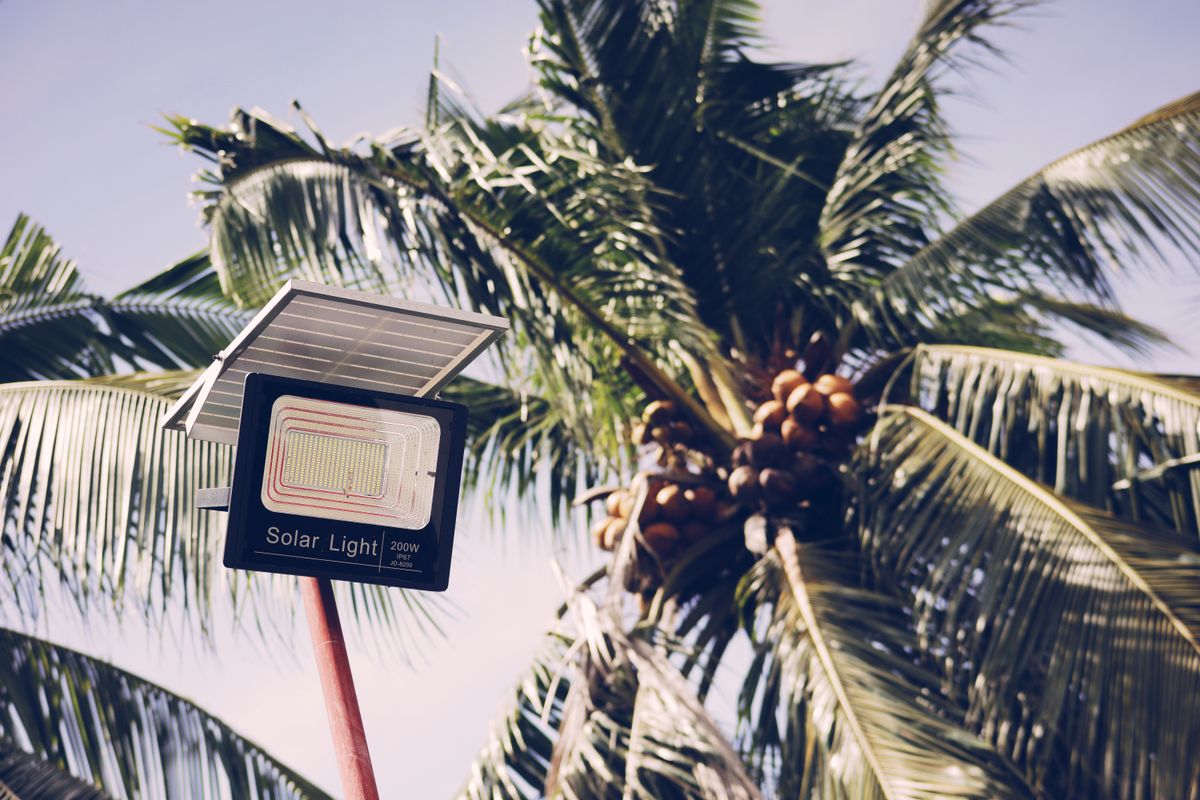
Photo by Nothing Ahead on Pexels
I tested this for fourteen days straight in a variety of weather conditions, ranging from heavy morning fog to direct afternoon heat. What surprised me was the consistency of the wireless handshake between the sensor and the indoor chime. On day three is where I noticed that placement height is the single most important variable; mounting the sensor exactly five feet high reduced false triggers from small ground animals while maintaining a clear line of sight for approaching vehicles. The Solar Motion Alarm utilizes a high-efficiency monocrystalline solar panel that managed to keep the internal battery topped off even during two consecutive overcast days. In terms of range, I successfully received alerts from a distance of 600 feet, even with a partial obstruction from a detached garage. The PIR sensor provides a 120-degree detection arc, which I found was wide enough to cover a standard two-car driveway entrance without needing a second unit. The IP65-rated housing showed no signs of moisture ingress after a three-hour thunderstorm, confirming its durability for year-round outdoor exposure. When compared to a solar perimeter alarm for driveway setups that require complex wiring, the standalone wireless nature of this unit simplifies the installation to a two-screw process. Here's the moment it earned its place: a delivery truck entered the property at 9:00 PM, and the alarm triggered instantly, providing enough lead time to turn on exterior lights before the driver reached the porch.
Expert tip: If your driveway has heavy brush, clear a three-foot radius around the sensor to prevent wind-blown branches from triggering the PIR sensor, which preserves battery cycles during stormy weather.
Setting up a [driveway alarm solar powered](/blog/securing-property-solar-motion-alarm-integration) system requires a balance between sensitivity and placement. If I were doing this again, I would spend more time testing the chime volume levels before final mounting to ensure the alert is audible in the back of the house. For those looking to expand their coverage, a solar perimeter alarm for driveway can be used in tandem with this system to create multiple zones of detection for larger estates.