How to Keep Raccoons Out of Garden Spaces: The Complete Defense Guide
Raccoons are highly intelligent, persistent nocturnal scavengers capable of destroying vegetable patches, raiding chicken coops, and damaging property overnight. Learning how to keep raccoons out of garden areas requires a multi-layered strategy that addresses their acute senses of hearing, sight, and curiosity.
Understanding Raccoon Behavior and Garden Attraction
To successfully secure your yard, you must first understand why raccoons enter your property. Gardens provide an abundant source of food including sweet corn, berries, root vegetables, and fallen fruit. Additionally, gardens often harbor grubs and soil insects, leading raccoons to dig up lawns and flower beds.
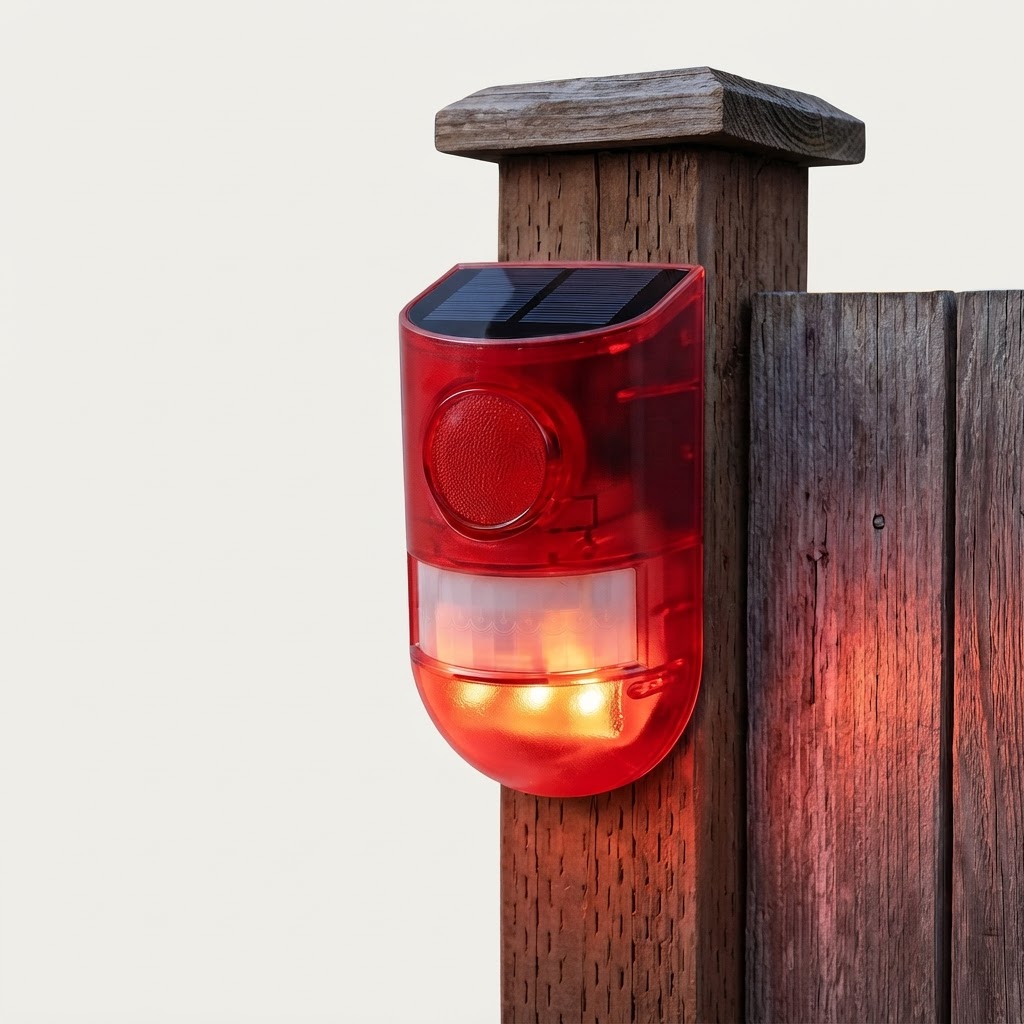
Because raccoons operate mostly in darkness, they rely heavily on covert movement. Disrupting their sense of security using sudden light activation and loud, unexpected audio deterrents triggers their instinctual flee response, forcing them to find foraging grounds elsewhere.
Physical Barriers and Fencing Limitations
Traditional physical barriers, such as wooden fences or standard wire mesh, often prove insufficient against raccoons. Raccoons possess dexterous paws that allow them to climb trees, scale walls, and unlatch simple gates. While heavy-duty hardware cloth and buried fencing can reduce digging, relying solely on static physical barriers requires significant labor and continuous maintenance.
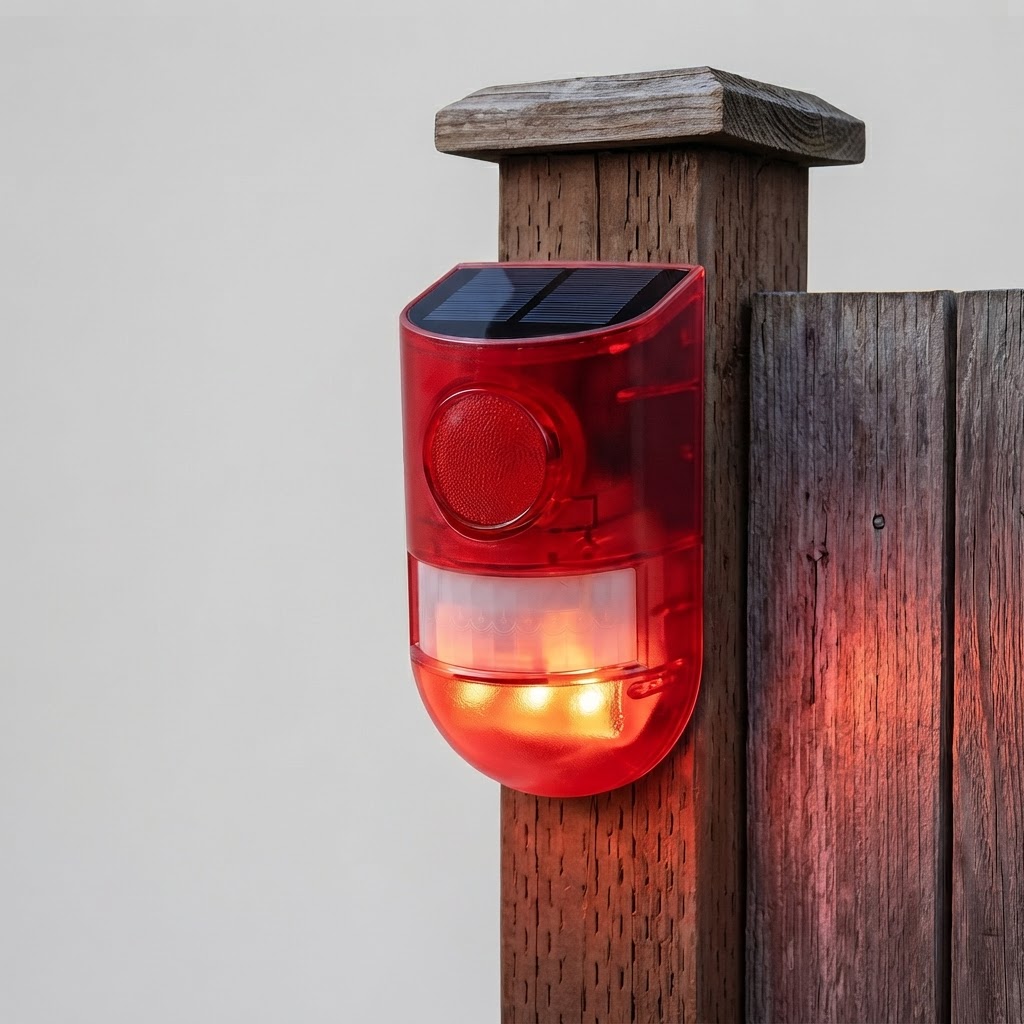
Integrating automated detection technology around the outer perimeter of your fence creates a proactive defense system that deters animals before they reach your crops or livestock enclosures.
Sound and Light Perimeter Security Systems
Motion-activated technology serves as one of the most reliable methods for repelling wildlife without chemicals or traps. Modern perimeter units utilize passive infrared or optical sensors to monitor activity within a wide sensing angle of 125 degrees and a distance of 5 to 8 meters (up to 26 feet).
Upon detecting movement, an effective deterrent deploys two distinct stimuli simultaneously:
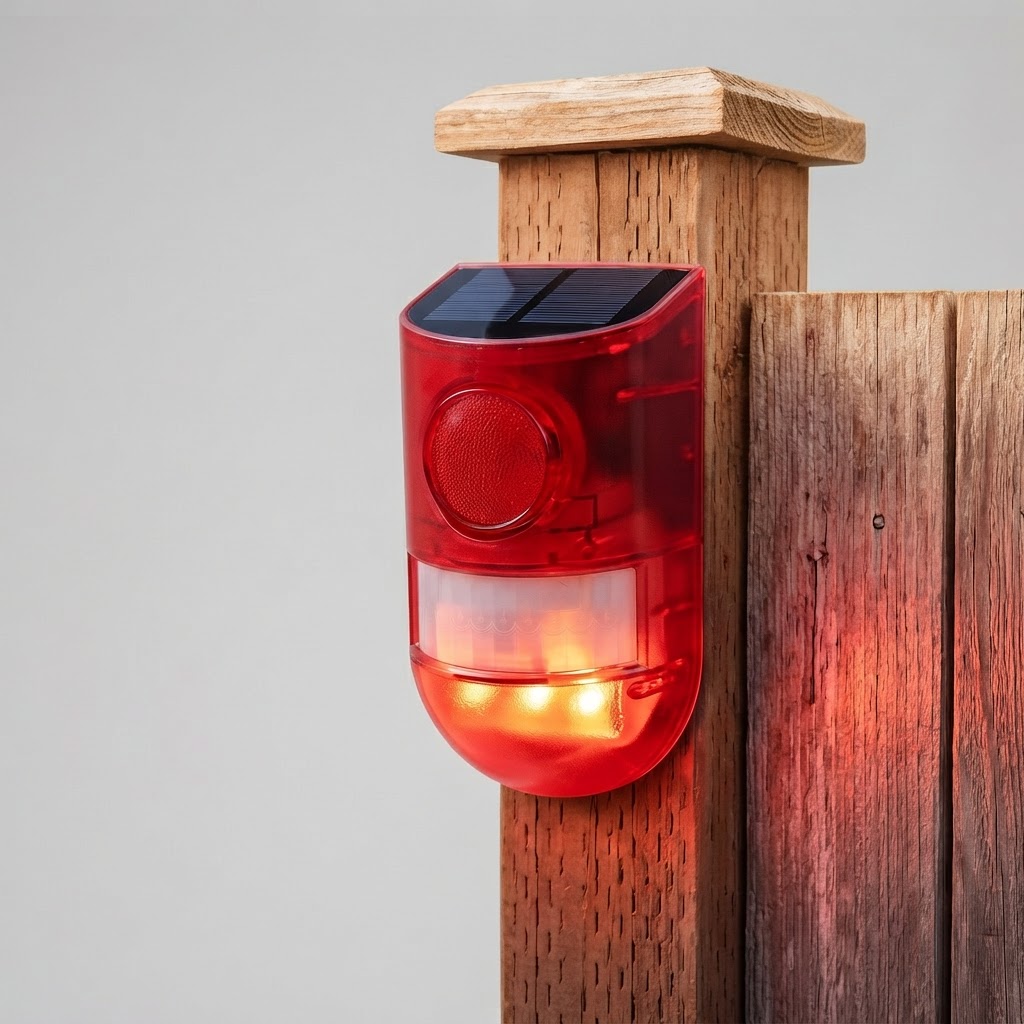
Devices like the Solar Motion Alarm utilize these dual-action stimuli to scare away deer, dogs, bears, raccoons, and coyotes across all outdoor spaces.
Strategic Placement for Yard and Livestock Protection
Proper positioning is critical when deploying perimeter security units. Mounting devices on posts, fences, trees, or exterior walls ensures clear line-of-sight coverage along common entry pathways.
- Mounting Height: Adjusting installation heights between 1 to 8 feet allows tailored targeting for specific pests. Lower heights focus on smaller animals like raccoons and raccoons raiding ground plots, while higher setups address larger wildlife like deer or coyotes.
- Multi-Zone Setup: Positioning units around vulnerable zones—such as chicken coops, livestock yards, bee hives, and garden gates—establishes a comprehensive protective shield.
- Mode Customization: Utilizing specialized operational settings ensures optimal security. Devices supporting four distinct working modes allow custom schedules, such as 24-hour siren and strobe activation (Mode 1), day/night silent flashing light deterrence (Mode 2), or night-only siren and flash modes (Mode 3 and Mode 4).
Long-Term Maintenance for Year-Round Garden Safety
For continuous year-round protection, security equipment must withstand varying outdoor elements. Weatherproof construction featuring durable ABS casing and an IP65 waterproof rating ensures reliable functionality during rain, snow, and extreme temperatures.
Energy efficiency is equally crucial. Modern outdoor security solutions utilize primary solar panel charging combined with rechargeable batteries and auxiliary USB power options to ensure non-stop 365-day operation. When fully charged under sunlight, quality units operate for approximately 50 days, providing low-maintenance defense for gardens, farms, and residential properties.
Related in this cluster
- 5 Natural and Physical Deterrents for Garden Wildlife Control
- Why Raccoons Target Gardens and How Motion Sensors Stop Them
- Solar Motion Security Alarms vs. Traditional Garden Fencing
- Stop Animal Raids on Chicken Coops and Gardens
- How to Install a Solar Motion Alarm to Protect Your Backyard Garden
- Frequently Asked Questions About Solar Motion Sensor Alarms